Your phone rang once, stopped before you could answer, and left a missed call from a country you have never dealt with. That is usually bait, and it only pays off if you call back.
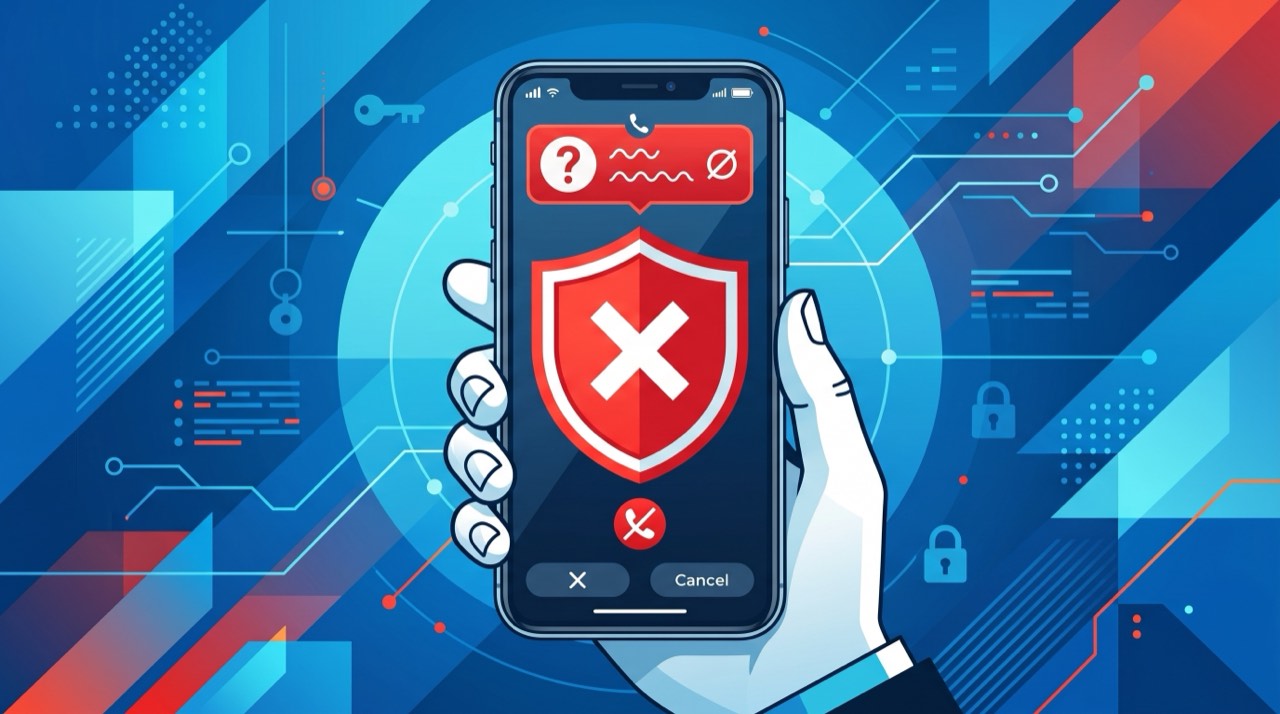
An unknown international number, a single ring, then nothing. This is called wangiri, a Japanese word for one ring and cut. The caller is not trying to reach you. The only goal is to leave a missed call on your screen.
The operation dials thousands of numbers automatically and treats them all the same way. All it needs is a few curious people who call back. The money comes from your return call, not from the call you received.
The rest of this page explains why it happens and which codes keep showing up.
Some international numbers work as premium rate lines. Part of what the caller pays flows back to whoever operates that number. In other words, the person who rang you takes a share of what your return call costs.
The Federal Communications Commission, the communications regulator in the United States, describes this in its consumer guide. People who call back face a connection fee plus significant per minute fees for as long as they can be kept on the phone.
That is also why nobody wants to talk to you. The longer you stay on the line, the more the call is worth.
The damage comes from dialling back, not from your phone ringing. Leave a one ring call alone and it costs you nothing.
The FCC consumer guide gives these examples:
| Code | Where it goes | Why it fools people |
|---|---|---|
| +222 | Mauritania | The regulator warned people not to call back late night calls using this code |
| +232 | Sierra Leone | A West African country code you have no reason to be called from |
| +1 649 | Turks and Caicos Islands | Looks like a United States number, but it is not |
| +1 809 | Dominican Republic | Looks like a United States number, but it is not |
The last two rows are the real trap. A number starting with +1 is not automatically a United States number. Many Caribbean countries share the +1 code, and the digits that look like an area code route to another country at another rate.
Treat this as a sample, not a complete list. A code that looks quiet today can be in use tomorrow.
So there is no list to memorise. Type the number into Turkcaller and the country comes up as a line on the screen: +1 649 reads as Turks and Caicos Islands, with no guessing.
Open the Search tab in Turkcaller and type the number. Tap the flag on the left to change the country code, so you can look the number up under the country it really belongs to.
Say a number starting with +222 is sitting on your screen. Type it into Turkcaller and the first lines tell you the country is Mauritania, which network runs the line, and how many spam reports have been left for that number. The decision ends there, with nothing dialled.
The same screen also carries the risk level (High risk, Possible spam or Looks safe), the names other people saved the number under, the company name and verified seal if the number belongs to a business, and comments from people the same number called.
Turkcaller does not ask for call log permission to show you who is calling. It reads the number through Android's own call screening. On the free version you can look up a set number of numbers each day, and identifying incoming calls works separately from that allowance.
You can block a number from the search result, or from the blocked numbers list in the Protect screen. But these campaigns change numbers constantly, so blocking one at a time rarely keeps up.
Turkcaller gives you two broader tools:
Blocked calls are not hidden from you. The blocked call log in the Protect screen shows which number was stopped, when, and which rule stopped it.
When a rule fires, Turkcaller lets you choose what happens:
A practical setup for one ring calls: block the countries you keep hearing from and leave the action on Silence only. Your phone stays quiet at night, and you decide in the morning.
Blocking a whole country is a wide decision that risks shutting out someone you care about. Turkcaller narrows it: when a broad rule applies, saved contacts, numbers you called recently and verified business identities are exempt.
And if a lookup is slow or does not complete, the call still reaches you.
If you did call back and an unfamiliar international charge appears, start with your own phone company. The Federal Communications Commission describes the same order: try your carrier first, and if that fails you can file a complaint with the Commission at no cost.
If you are in Turkey, the equivalent channel is BTK, reachable on the 120 consumer line and at tuketicisikayet.btk.gov.tr.
You can also report the number as spam in Turkcaller. The next time it rings on someone else's screen, that report shows up as a warning.
Wangiri is Japanese for one ring and cut. A machine rings thousands of numbers once and hangs up, hoping a few people call back and land on a premium rate line.
That is where the risk sits. The incoming call does nothing to you. Charges start when you dial back, so look the number up instead.
You rarely get the chance, because the call is cut after one ring. The cost comes from a call you place, not from a call you receive.
No. Many Caribbean countries share the +1 code. +1 649 goes to the Turks and Caicos Islands, and +1 809 goes to the Dominican Republic.
The Federal Communications Commission gives +222, +232, +1 649 and +1 809 as examples. Treat that as a sample rather than a full list, because the codes in use keep changing.
Open the Protect screen in Turkcaller, go to the blocked numbers list, add a country block rule, pick the country and confirm it. One rule then covers every number from that country.
Saved contacts and numbers you called recently are exempt from broad rules. For extra room, set the blocking action to Silence only: the phone stays quiet and the call still appears as a missed call.
Start with your own phone company. The Federal Communications Commission describes the same order: try your carrier first, and if that does not resolve it, you can file a complaint with the Commission at no cost.
Yes. The free version lets you look up a set number of numbers each day, and identifying incoming calls works separately from that allowance.
Turkcaller shows the country, the carrier and the risk level of a number without you dialling it. If you want, block that whole country with a single rule.
App StoreGoogle Play TürkCaller